
Trying to figure out when to start pumping breast milk? This post covers why pumping helps, when most moms start, and our top 5 recommended breast pumps for 2026.
Posted September 17, 2026
If you just read our post on breastfeeding guilt and mental health, thank you for sticking with us through that whole series. This one is a little different, a practical, lighter post about pumping. And if you have not seen our post on why every new mom should have a lactation consultant’s number saved, that is a good place to start too.
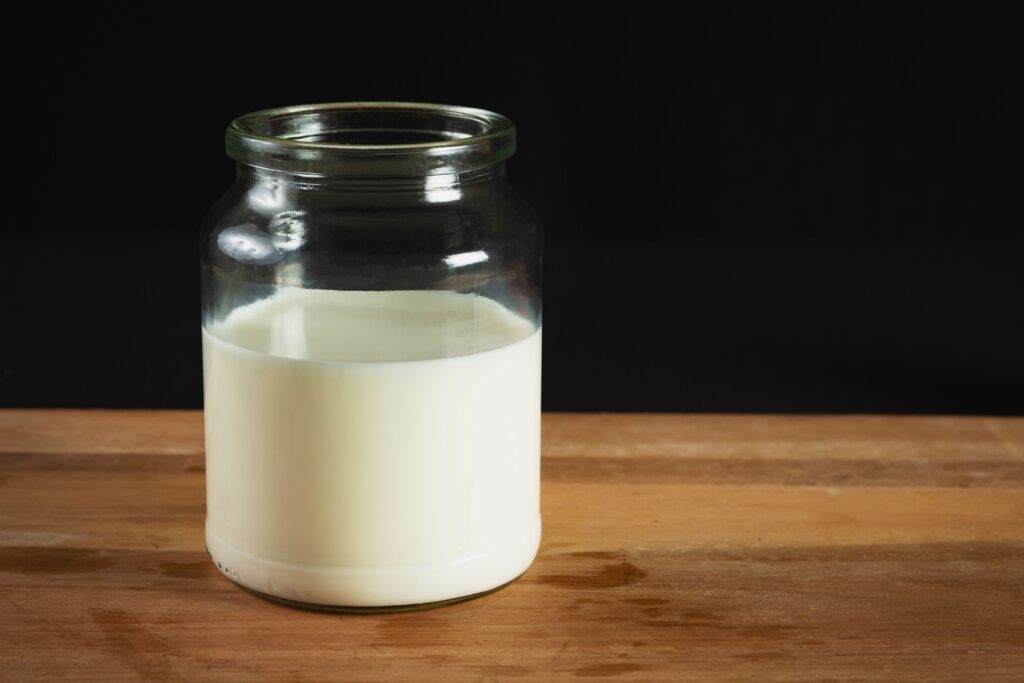
Pumping is its own decision on top of everything else, and it comes with its own set of questions: why bother, when do you start, and which pump do you even buy? (No, not that kind of pump. We are talking breast pumps, not the one in the picture below. But we thought it was a fun way to kick things off.)

Why pump in the first place?
Pumping gives you options breastfeeding alone does not. It lets someone else, a partner, a grandparent, a sitter, feed your baby so you can sleep a longer stretch, run an errand, or just have an hour to yourself. It is how most moms continue breastfeeding once they go back to work. It can help build a small stash for the times you are away from your baby, and for some moms it is also a way to support supply when breastfeeding alone is not quite keeping up.
When do most moms start?
There is no single right answer for when to start pumping breast milk, but a few common patterns show up:
- If you are returning to work, most moms start pumping and practicing with a bottle two to three weeks before their return date, giving both you and your baby time to adjust.
- If you are building a small freezer stash for occasional bottles, many moms wait until breastfeeding is well established, generally three to four weeks in, so it does not interfere with supply.
- If you are pumping to support a low supply, or because your baby cannot nurse directly, that is a different situation, and it is exactly the kind of thing worth a call to a lactation consultant to get a plan tailored to you.
There is no prize for starting early. Knowing when to start pumping breast milk really depends on your situation, and starting before you actually need to can sometimes create more milk than you know what to do with, or interfere with the supply and demand rhythm you and your baby are still building. When in doubt, ask your lactation consultant what makes sense for you.
Picking a pump
With so many pumps on the market, picking one can feel like its own project, so we did some homework. The picks below are pulled from Healthline’s 2026 breast pump reviews, which combine independent testing with input from lactation consultants. We want to be upfront about something: we do not receive any compensation for recommending these pumps. We are only restating what our research found to be the preference among nursing moms who use pumps, not our own product testing or a substitute for what works for your body and your routine.
Our top 5 recommended pumps for 2026:
- Spectra S1 Plus. Often called the most recommended pump by other moms, and for good reason. Hospital strength suction, a closed system for hygiene, and it is frequently covered through insurance, making it a strong first pump for most new moms.
- Medela Pump In Style MaxFlow. A refreshed, lighter version of one of the most established names in breast pumps, now with USB-C rechargeable batteries. Widely covered by insurance and a familiar, reliable choice.
- Momcozy M6. A newer favorite with a stronger second generation motor, 300 mmHg suction, and enough battery life for 5 to 6 pumping sessions between charges, a solid pick if you are pumping on the go.
- Willow Go. A wearable pump that fits entirely inside your bra, no tubes or hub required. With 295 mmHg suction and 15 adjustable levels, it is built for moms who want to pump while doing something else entirely, folding laundry, answering email, chasing a toddler.
- Elvie Pump. One of the quietest wearable pumps available, tucks completely into your bra, and pairs with a phone app so you can track sessions discreetly. A favorite for moms pumping at work or anywhere they would rather not draw attention.
A few things to consider before you buy
- Check with your insurance first. Many plans cover a pump fully or at low cost, and the covered options are often excellent.
- Wearable pumps offer freedom of movement, but traditional plug in pumps like the Spectra or Medela generally offer stronger suction for building or maintaining a larger supply.
- There is no single best pump for everyone. The best one is the one that fits your routine, your budget, and your body.
A little something for the pumping sessions too
Whichever pump you choose, and whenever you decide to start, keeping your supply up still comes down to the basics: pumping consistently, staying hydrated, and giving your body what it needs to keep up. Our lactation cookies are made with oats, flaxseed, and brewer’s yeast for exactly that reason, a small, easy thing to reach for between sessions.
Up next in our ongoing series, we are covering practical tips for the first month of breastfeeding. Whatever your feeding journey looks like, shop our lactation cookies at honeysbc.com/shop, or reach out any time. We are glad you are here.
Source: Healthline, “Best Breast Pump,” 2026. (https://www.healthline.com/health/pregnancy/best-breast-pump)